NEED TO KNOW
Whether you’re an experienced boater or heading out for the first time, a few smart habits can help prevent accidents and keep everyone safer on the water.
· Safe boating starts with preparation and awareness
· Simple safety habits can help prevent accidents and injuries
· Checking weather, equipment, and fuel before leaving can help avoid emergencies
Boating is a great way to relax and unwind, but safety must always come first. Whether you’re an experienced boater or heading out for the first time, a few smart habits can help prevent accidents and keep everyone safer on the water.

Must-Know Boating Safety Basics
Spending time on the water offers freedom, fun, and fantastic experiences—but it also comes with important responsibilities. Every year, almost 4,000 boating accidents occur due to preventable factors like inexperience, lack of safety equipment, or operator negligence. If you’re cruising on a lake with friends, fishing with a buddy, or enjoying watersports, being prepared will help avoid unnecessary risks.
Boating safety isn’t just about following rules; it’s about building habits that protect every passenger onboard. From wearing life jackets to understanding weather conditions and navigation rules, small actions can make a big difference. Understanding some essential boating safety practices will help you feel confident and prepared every time you leave the dock. These tips can help ensure your time on the water stays safe, smooth, and enjoyable, not matter what your experience level.
Getting Started: Boating Safety Basics
Boating safety begins with the basics: preparation and awareness. Always ensure your vessel is equipped with essential safety gear. This gear can include:
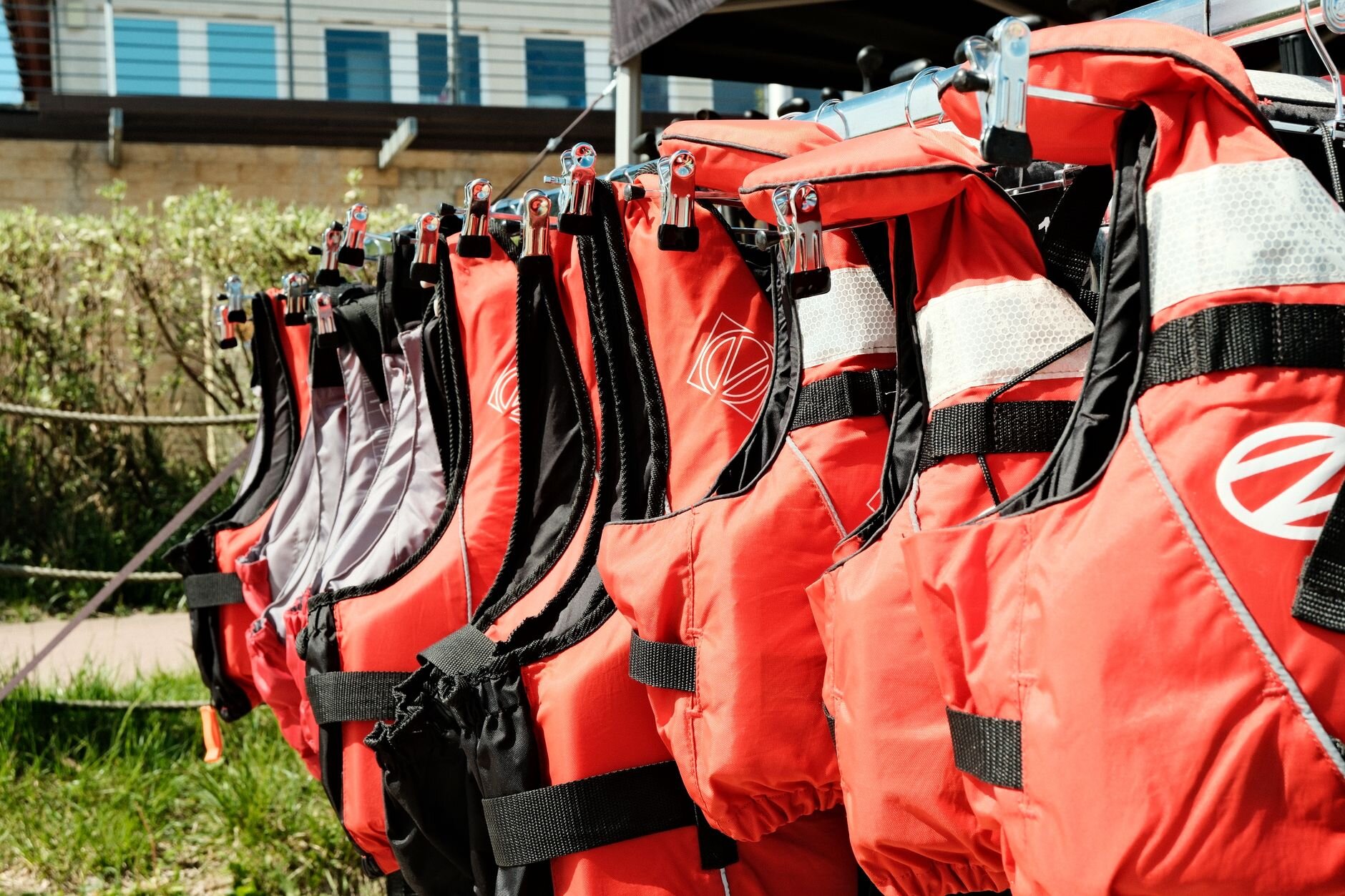
· Life jackets for every passenger that are readily accessible
· A fire extinguisher that is made specifically to use on a boat and is less than 12 years old
· Visual distress signals (common examples include flares, electric distress lights or specialized distress flags)
· A first aid kit in a waterproof container. Boat-specific items might include fishhook removers or motion sickness medication.
Understanding navigation rules is also very important. Just like roads and interstates, waterways have rules and right-of-way guidelines to help prevent accidents. Being aware of speed limits, no-wake zones, and designated swimming areas is equally important.
Weather awareness is often overlooked but extremely important. Conditions on the water can change quickly, turning a sunshine-filled outing into a dangerous situation. Always check forecasts before departure and keep an eye on the sky for sudden changes.
Perhaps most importantly, never operate a boat under the influence of alcohol or drugs. Impaired boating significantly not only increases the risk of accidents, but you can be cited for a BUI (Boating While Under the Influence) and face fines and jail time like a road-based DUI. Authorities can also impound your boat, leading to more fines and penalties. Staying alert and focused ensures you can respond quickly to unexpected situations, keeping everyone safe. Simply put: the best way to protect you, your passengers and your property on the water is to stay sober.
Smart Decisions Can Keep You Safe
Making good decisions on the water might mean the difference between a smooth trip and a dangerous situation. Making a few smart decisions before you leave can set you up for a successful boating excursion.
· Plan Ahead: before you leave, let someone know your itinerary, including where you’re going and when you expect to return. This simple step means help can find you if something goes wrong, or will search for you if you don’t return on time.
· Know Your Limits: These limits apply to both you and your boat. Overloading your vessel with passengers or gear can affect stability and increase the risk of capsizing. Similarly, operating in waters or weather conditions beyond your skill level can quickly become unsafe and create unnecessary risks.
· Fuel management: Running out of fuel in open water can leave you stranded, and it’s an avoidable mistake. Not sure how much fuel you need? A good rule of thumb is the “one-third rule”: use one-third of your fuel going out, one-third returning, and keep one-third in reserve. Knowing the tank capacity of your vehicle and your boat’s average MPH will also help you keep the right amount of fuel onboard.
· Stay vigilant: keep an eye out for swimmers, other boats, and obstacles in the water. You might also assign a reliable passenger as a lookout, especially in busy areas. Avoid distractions like excessive phone use, so you are able to react quickly and effectively.
· Keep learning: taking a certified boating safety course will not only improve your confidence and knowledge, you’ll make better decisions every time you’re on the water. Safe boating isn’t just about rules and reacting to danger - it’s about preventing issues before they occur through careful, proactive choices.
Common Mistakes to Avoid
Even experienced boaters can make mistakes that put safety at risk. Many accidents happen suddenly and leave little time to react, and a little planning can help you avoid some of these common boating mistakes.
· Not wearing life jackets: one of the most common errors is failing to wear life jackets consistently. In an emergency, you can save valuable seconds when passengers already have their life jackets on and no time is wasted searching.
· Neglecting routine maintenance: engine failure or equipment malfunction can often be traced back to poor upkeep. Regularly inspecting your boat will help prevent unexpected breakdowns.
· Not paying attention: this is a major factor in boating accidents. Not watching for other vessels, ignoring changing weather condition or just a general lack of focus can put you at risk. And remember, boating while extremely fatigued can impact your performance in the same ways alcohol consumption can. Operating a boat while overly tired can impact your judgment and reaction time, much like alcohol. Staying alert and well-rested helps keep everyone safer on the water.
Avoiding common mistakes starts with awareness. You can significantly reduce the likelihood of accidents and ensure a safer boating experience by identifying these risks and practicing good boating habits.
A Few Important Things to Keep in Mind
Avoiding common mistakes starts with awareness. You can significantly reduce the likelihood of accidents and ensure a safer boating experience by identifying these risks and practicing good boating habits.
FAQs
Your Top Questions Answered
Stay safe on the water this summer! Here are a few of the most frequently asked questions about boating safety.
Want to learn more? Explore the FAQs
EXPLORE MORE ARTICLES
Recent Blogs
Ticket or Accident on Your Record? How to Lower Yo...
Learn how tickets and at-fault accidents can affect car insurance rates, what insurers consider, and ways to manage your auto insurance costs.
Auto Insurance Requirements by State: Minimum Cove...
Learn what state minimum auto insurance covers, what it leaves out, and how to choose liability limits and optional coverage that fit your needs.
Summer Boating Safety: Staying Safe on the Water
Boating is a great way to relax and unwind, but safety must always come first.
Middle Tennessee Summer Guide: Free & Low-Cost Thi...
Known for friendly residents, beautiful scenery, and Nashville’s vibrant music scene, Middle Tennessee offers activities for all ages.
What Does an Auto Insurance Claims Adjuster Do?
Understanding more about the claims process can provide some peace of mind when you have an accident or otherwise need to file a claim.
What is Non-Standard Auto Insurance?
Non-standard insurance is for high-risk drivers who may have difficulty getting coverage with some insurance providers.
Understanding How Car Insurance Fits Into Your Fin...
Car insurance is more than just a legal requirement. It’s really part of your own personal financial protection plan, so you don’t face unexpected expenses when you’re in an accident.
Auto Insurance for Rideshare & Delivery Drivers
Rideshare apps like Uber and Lyft can be a great way to earn extra income as a rideshare driver. You may think that your personal car insurance policy will cover you if you’re using your own car for these apps or others like DoorDash and Instacart. You will likely need an entirely different policy should you have an accident while working for one of these companies.
Real Life Driving: Fall Auto Care Keeps You Safe o...
Real Life Driving: Fall Auto Care Keeps You Safe on the Road

Insurance Doesn't Have to Be Stressful
Ready to see how simple it can be?