NEED TO KNOW
Fall Auto Care:
- Cold weather can affect how your car handles and performs.
- Prepping your vehicle ahead of time helps prevent breakdowns and accidents.
- A little preventive maintenance now can save you money and stress later.
The leaves are falling and so are the temperatures. You might not realize that the change in seasons can affect your vehicle. Regular maintenance can improve your car’s performance in colder weather and keep you safer on the road.
Before the cold weather hits, here’s what to know about keeping your car running safely this fall.
Check Your Tires: Grip Matters in Cold Weather
When the temperature drops, so does your tire pressure — about 1–2 PSI for every 10 degrees. That can make your car handle differently and take longer to stop.
Cold air also stiffens tire rubber, which means less grip on the road.
Keep these quick tips in mind:
• Check tire pressure often as temperatures fall.
• Inspect tread depth to make sure you have enough traction.
• Consider all-weather or winter tires if you live in a cold or snowy area.
Check Your Battery and Electrical Systems
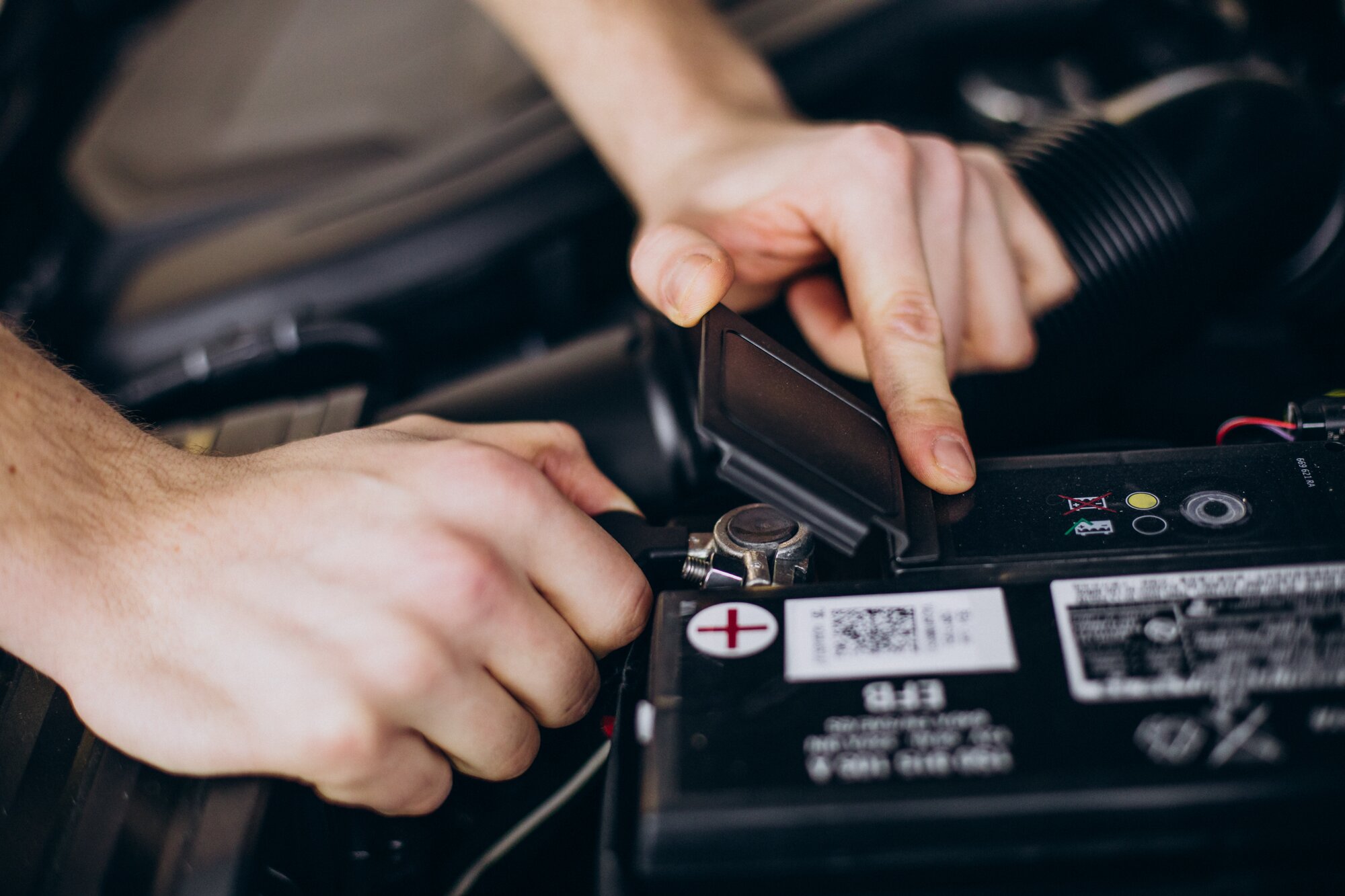
Cold weather can drain your car battery fast — at 32°F, it can lose up to a third of its power. If it’s old or weak, it may not start at all once temperatures drop. Here’s how to stay powered up:
• Test your battery before winter hits. Replace it if it’s more than 3 years old.
• Check your lights and wipers. Cold air makes wiper blades brittle and can dim lights.
• Use winter washer fluid that won’t freeze in low temps.
• Confirm roadside assistance coverage — for jump starts or tows if your car won’t start.
Plan Ahead and Keep a Fall Emergency Kit in Your Car
Cold-weather breakdowns happen — but being ready makes all the difference.
Pack your car with a few essentials before temperatures drop:
• Blanket, flashlight, and jumper cables for safety and warmth.
• Ice scraper and gloves to handle frosty mornings.
• Insurance card and roadside assistance info in easy reach.
• Charged phone or portable charger just in case.
A little preparation now can save time, stress, or even a tow later.
Winter doesn’t just mean colder temperatures. It gets dark earlier and winter weather can impact your driving.
Limited visibility: Earlier darkness and winter weather can reduce how much you can see on the road. Make sure your headlights and taillights are in top condition, and replace any bulbs that are not working properly.
Safe driving habits: Pay attention to your speed and weather conditions in bad weather. Rain, snow and fog can impact visibility, so make sure you are alert and practice safe driving during this period.
Get Back on Track
Plan Ahead and Keep a Fall Emergency Kit in Your Car :Don’t get stranded on the road without items needed for both your safety and comfort.
Car Emergency Kit: Consider keeping a blanket, flashlight, jumper cables, ice scraper, and any other winter weather items in your vehicle.
Insurance information: Keep your insurance card, registration, roadside assistance numbers in a convenient place should you need them.
Reduce risk: Being prepared can not only reduce your risk of an accident or breakdown, but it can also reduce your stress by knowing you are prepared for the unexpected.
Once you’ve got a new insurance policy in place, there may be a few things you can do to help get back on track. Building momentum and showing consistent, responsible driving over time can help lower your rates. Some suggestions include:
• Take a defensive driving course.
• Slow down! Avoid traffic violations like speeding as this may add points to your license in most states.
• Maintain a clean driving going forward.
• Check your credit score. Some insurers may use it in pricing, and small changes, like paying all your bills on time, can improve your credit score and possibly have a positive impact on your insurance premiums.
Check Your Auto Insurance Policy to Make Sure You’re Covered
Many drivers may not realize that different types of insurance covers different types of incidents.
Before winter weather hits, it’s a good time to make sure your coverage fits your needs. Not all auto insurance covers the same things — here’s a quick refresher:
Liability Insurance — Covers damages to another driver’s car if you cause an accident. It’s required in most states.
Collision Insurance — Covers damage to your car from a crash (like sliding on ice or hitting a guardrail). You’ll need to pay your deductible first.
Comprehensive Insurance — Protects against non-crash damage such as hail, falling branches, or theft. A deductible applies here too.
Tip: Take five minutes to review your policy online or with your agent. A quick check now can prevent coverage surprises later.
FAQs
Your Top Questions Answered
Insurance doesn’t have to be confusing. Check out some of our most popular questions below, or dive into our full FAQ for everything you need to know.
Want to learn more? Explore the FAQs
Not sure what coverage you have?
Take a few minutes to review your policy online — Focus customers can log in anytime at focusinsurance.com to check coverage or make updates, 24/7.
EXPLORE MORE ARTICLES
Recent Blogs
What Does an Auto Insurance Claims Adjuster Do?
Understanding more about the claims process can provide some peace of mind when you have an accident or otherwise need to file a claim.
What is Non-Standard Auto Insurance?
Non-standard insurance is for high-risk drivers who may have difficulty getting coverage with some insurance providers.
Understanding How Car Insurance Fits Into Your Fin...
Car insurance is more than just a legal requirement. It’s really part of your own personal financial protection plan, so you don’t face unexpected expenses when you’re in an accident.
Rideshare & Delivery Drivers
Rideshare apps like Uber and Lyft can be a great way to earn extra income as a rideshare driver. You may think that your personal car insurance policy will cover you if you’re using your own car for these apps or others like DoorDash and Instacart. You will likely need an entirely different policy should you have an accident while working for one of these companies.
Real Life Driving: Fall Auto Care Keeps You Safe o...
The leaves are falling and so are the temperatures. You might not realize that the change in seasons can affect your vehicle.
Is My College Student Covered by My Auto Insurance...
Sending your student off to college is exciting — and maybe a little nerve-wracking. Between dorm shopping and tuition paperwork, car insurance probably isn’t top of mind, but it should be. Making sure your student is covered can save you stress (and money) later.
Understanding Your Insurance: Do You Need Uninsure...
Being in an accident can be scary, stressful – and expensive, especially if the other driver doesn’t have car insurance. Uninsured Motorist coverage helps you avoid paying out of pocket expenses for damages to your car or medical bills caused by a driver with no insurance.
What to Do If Your Auto Insurance Gets Canceled: A...
What to Do If Your Auto Insurance Gets Canceled: A Step-by-Step Guide
SR-22s Explained: What They Are and How They Affec...
When you buy car insurance, you’ll need to choose a deductible. That is the amount you pay out-of-pocket you agree to pay before your auto insurance pays for any damages. Before you choose a deductible, here’s a few quick facts to guide your decision.

Insurance Doesn't Have to Be Stressful
Ready to see how simple it can be?