NEED TO KNOW
Facts to guide your decision:
• Deductible = what you are required to pay before car insurance begins covering the cost.
• Typical range: $100–$2,500 ($500 most common)
• Higher deductible = lower monthly bill, but higher risk should you have an accident.
• Consider your savings, your driving habits, and the amount you’re okay paying if you file a claim.
When you buy car insurance, you’ll need to choose a deductible. That is the amount you pay out-of-pocket you agree to pay before your auto insurance pays for any damages.
Before you choose a deductible, here’s a few quick facts to guide your decision.
Your deductible choice can save you money - or leave you with a big bill. Many drivers don’t realize how much this number matters. This guide explains what deductibles are, how they work, and how to choose the right one for your situation.
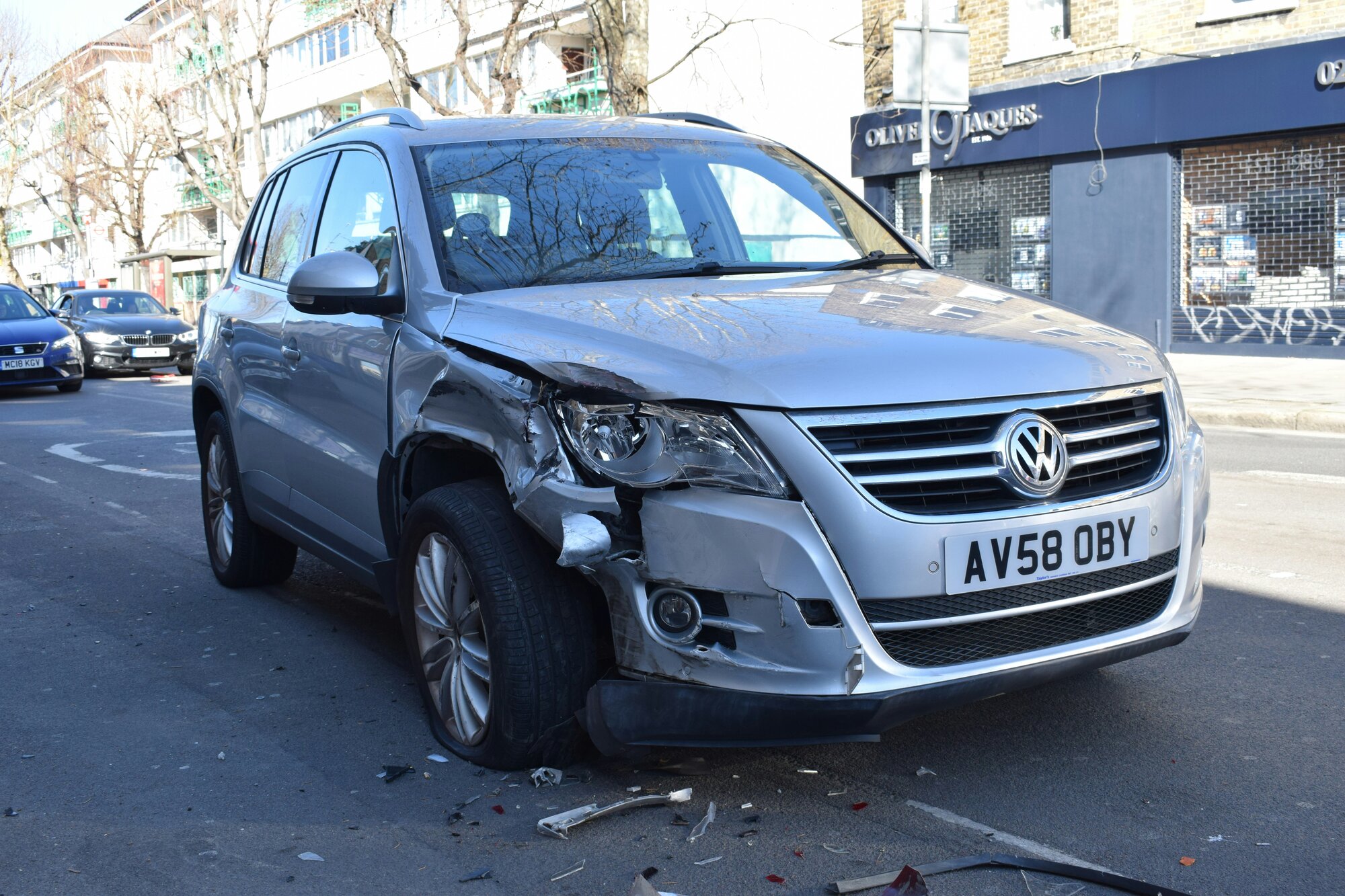
Understanding Car Insurance Deductibles
A deductible is the fixed out-of-pocket cost that you must pay before your car insurance covers the rest. Say your repair bill is $3,000 and your deductible is $1,000: you’ll pay $1,000 and your insurer pays $2,000.
Most policies let you pick anywhere from $100 to $2,500, though $500 and $1,000 are the most popular. Why? The higher your deductible, the lower your monthly premium — but the more you’ll pay out of pocket after an accident.
When Did Deductibles Become Part of Auto Insurance?
Car insurance originated in the early 20th century, when automobiles became common enough to create new hazards on the road. In the United States, Massachusetts was the first state to require auto liability insurance in 1927. Before that, accidents were handled through personal responsibility, lawsuits, or informal settlements. As cars became more widespread, insurance companies developed auto policies that were modeled on existing fire and marine insurance contracts.
How Deductibles Evolved Over Time
Mid-20th century: Deductibles were usually flat amounts, often between $50 and $100, which covered a significant share of minor repair costs at that time.
1970s–1980s: As repair costs increased, insurance companies began offering higher deductible options (like $250 or $500) to balance rising premiums.
1990s–2000s: Deductibles became a tool to help customers customize their policies, with higher deductibles lowering monthly premiums and lower deductibles offering more financial protection.
Today: Deductibles typically range from $250 to $2,000 or higher, with flexible options depending on the driver’s financial situation and what the insurance company offers.
This evolution is why today’s drivers have more choice — but also more decisions to make — about deductible amounts.
Choosing the Right Deductible Amount
So how do you know which deductible is right for you? It depends on three things:
Your Savings: do you have enough money saved to comfortably pay $500 or $1,000 out of pocket?
Your Driving Habits: consider whether you commute daily, travel long distances frequently or have other driving behaviors which might affect the price of your premium.
A commuter who drives daily and doesn’t have emergency savings might feel safer with a $500 car deductible. A driver who rarely uses their car and has money set aside might opt for $1,000 or more to save on premiums.
A good test: ask yourself, ‘If I have an accident tomorrow, can I pay this amount comfortably?’ If yes, a higher deductible could save you money. If not, stick with a lower one for peace of mind.

Common Mistakes to Avoid
A common mistake drivers make is choosing the lowest monthly premium without thinking about the long term impact. Some drivers forget to revisit their auto insurance deductible when their financial situation changes. A deductible that felt comfortable five years ago may no longer make sense. Finally, be honest about your financial comfort level: a $1,500 deductible looks good and until you’re staring at a repair bill next week. A $1,500 deductible might sound good — until you’re hit with a repair bill and realize you can’t cover it.
FAQs
Your Top Questions Answered
Insurance doesn’t have to be confusing. Check out some of our most popular questions below, or dive into our full FAQ for everything you need to know.
Want to learn more? Explore the FAQs
EXPLORE MORE ARTICLES
Recent Blogs
Ticket or Accident on Your Record? How to Lower Yo...
Learn how tickets and at-fault accidents can affect car insurance rates, what insurers consider, and ways to manage your auto insurance costs.
Auto Insurance Requirements by State: Minimum Cove...
Learn what state minimum auto insurance covers, what it leaves out, and how to choose liability limits and optional coverage that fit your needs.
Summer Boating Safety: Staying Safe on the Water
Boating is a great way to relax and unwind, but safety must always come first.
Middle Tennessee Summer Guide: Free & Low-Cost Thi...
Known for friendly residents, beautiful scenery, and Nashville’s vibrant music scene, Middle Tennessee offers activities for all ages.
What Does an Auto Insurance Claims Adjuster Do?
Understanding more about the claims process can provide some peace of mind when you have an accident or otherwise need to file a claim.
What is Non-Standard Auto Insurance?
Non-standard insurance is for high-risk drivers who may have difficulty getting coverage with some insurance providers.
Understanding How Car Insurance Fits Into Your Fin...
Car insurance is more than just a legal requirement. It’s really part of your own personal financial protection plan, so you don’t face unexpected expenses when you’re in an accident.
Auto Insurance for Rideshare & Delivery Drivers
Rideshare apps like Uber and Lyft can be a great way to earn extra income as a rideshare driver. You may think that your personal car insurance policy will cover you if you’re using your own car for these apps or others like DoorDash and Instacart. You will likely need an entirely different policy should you have an accident while working for one of these companies.
Real Life Driving: Fall Auto Care Keeps You Safe o...
Real Life Driving: Fall Auto Care Keeps You Safe on the Road

Insurance Doesn't Have to Be Stressful
Ready to see how simple it can be?